Commercial Printing Guide: Services, Options & Expert Tips
The "Commercial Printing Manual" acts as an essential guide for individuals navigating the challenges of printing choices. It outlines the contrasts between digital printing and offset printing, shedding light on their individual benefits. Moreover, it covers critical services like finishing and design that can enhance a project's quality. Recognizing these factors is important, yet many overlook critical steps in budgeting and preparation. What are the typical errors, and what steps can be taken to avoid them?
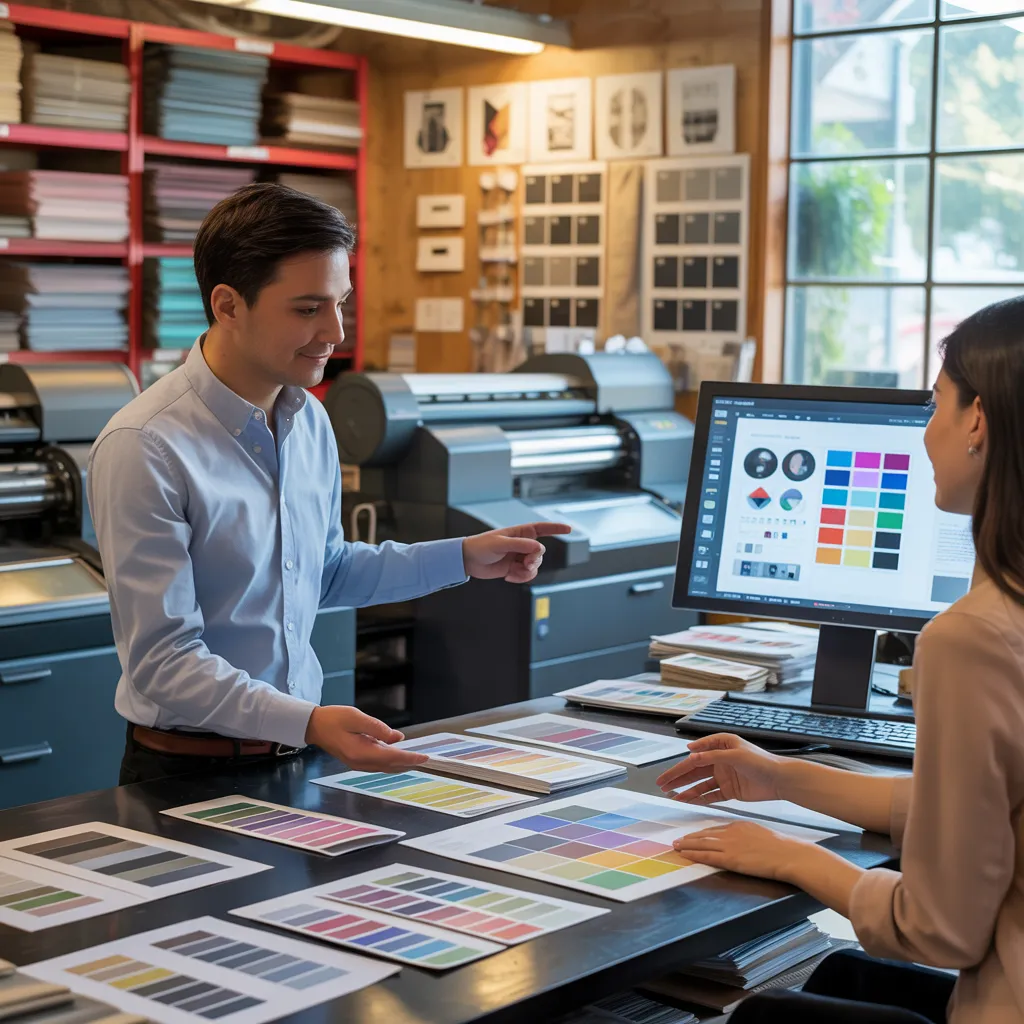
Examining Commercial Printing Methods: Digital vs. Offset
In the domain of commercial printing, two primary methods dominate: digital and offset printing. Digital printing employs advanced technology to generate premium-quality prints directly from digital files. This approach thrives in short runs, providing rapid turnaround times and design flexibility. It frequently supports variable data printing, making it ideal for personalized marketing materials.
On the other hand, offset printing is the process of transferring ink from a plate to a rubber blanket and then to the printing surface. This traditional method is highly efficient for large-volume projects, offering consistent quality and vibrant colors. The setup process for offset printing tends to take longer, making it less cost-effective for smaller print runs.
Ultimately, the choice between digital and offset printing depends on timeline, project requirements, and budget. Both methods offer notable strengths, catering to varying demands in the commercial printing industry. Recognizing these distinctions proves critical for making informed decisions in printing services.
Key Services in Commercial Printing: Design and Finishing
In the field of commercial printing, design services are essential in influencing the visual appeal of printed materials. Additionally, finishing processes, such as lamination and binding, enhance the final product's quality and durability. Proofing is just as critical, making certain that the design satisfies client requirements before full production.
Summary of Design Services
Even though numerous businesses concentrate on the manufacturing elements of commercial printing, the importance of design services cannot be overlooked. Such services are essential in developing eye-catching materials that successfully convey a brand's identity. Professional design services encompass various elements, including layout, typography, and color schemes, ensuring that the final product captures the intended audience's attention. Designers often collaborate with clients to understand their vision, translating ideas into impactful graphics and formats. Moreover, they keep pace with evolving industry developments and proven techniques, which improves the overall excellence of the printed materials. Investing in design services not only improves aesthetics but also strengthens brand identity, ultimately contributing to the success of marketing efforts and promotional campaigns.
Understanding Finishing Techniques
Many finishing techniques are vital in the commercial printing process, upgrading printed materials from standard to outstanding. These techniques improve both the aesthetic appeal and functionality of printed products. Widely used options include lamination, which applies a protective layer, and embossing, which produces a raised design for physical dimension. Additionally, die-cutting allows for personalized outlines, while foil finishing adds a sophisticated flair with gleaming details. Additional techniques, such as ultraviolet coating, deliver lustrous or subdued textures, enhancing durability. Finishing binding processes, including saddle stitching and perfect binding, are also key for constructing publications and marketing materials. By utilizing these finishing techniques, businesses can substantially boost the visual quality and lifespan of their printed pieces, ensuring they make a lasting impression.
The Importance Of Proofing
Finishing methods significantly improve printed materials, but the value of proofing remains absolutely essential. Proofing functions as an essential stage in the printing workflow, confirming that design elements, colors, and text are correctly showcased before the final print run. It allows designers and clients to identify and rectify errors, consequently eliminating costly missteps and upholding quality assurance. Various types of proofs, including digital, hard copy, and color proofs, provide different insights into the final product. Proofing not only improves client satisfaction but also strengthens a brand's standing by producing refined and professional materials. In the demanding world of commercial printing, dedicating time to proofing consistently yields exceptional results and client confidence.
How to Choose the Right Paper for Your Printing Projects
How can someone choose the correct paper for diverse printing projects? Selecting the best paper requires several key factors. Above all, the intended use of the project is paramount; for reference, promotional content may see here be enhanced by lustrous finishes that elevate color richness, while business reports might need a more refined, matte texture.
Furthermore, the density of the paper holds significant importance; weightier materials generally convey excellence and resilience, making them perfect for powerful visual communications. Furthermore, the finish of the paper—be it shiny, matte, or uncoated—can significantly influence the overall appearance and texture of the finished print product.
Environmental considerations should also be taken into account; selecting sustainable materials can support a company's principles. In addition, working with experienced printing specialists can deliver recommendations suited to individual needs, making certain that the preferred paper supports the complete performance of the project while adhering to budgetary boundaries.
Get Your Files Ready for Printing
Setting up files for printing is a fundamental step that significantly influences the quality of the finished product. Confirming that files are accurately formatted is essential; this includes using the appropriate color modes, such as CMYK for print, and setting the resolution to at least 300 DPI for ideal clarity. Furthermore, it is necessary to embed fonts or transform text to outlines to avoid any font-related complications during printing.
File formats should be selected carefully, with PDF serving as the top choice owing to its consistent reliability and broad compatibility. Examining bleed and trim margins helps avoid unwanted white borders surrounding the completed output. Finally, conducting a comprehensive proofread is imperative to catch any errors before printing. By observing these best practices, users can considerably increase the probability of reaching a professional-quality printing result.
Budgeting Tips for Your Printing Projects
Planning a budget for printing projects necessitates a solid understanding of the project's scope. It is essential to plan for any extra costs that could come up, such as labor and materials. A well-structured budget will help guarantee that all components of the printing workflow are financially covered.
Establish Project Scope
Identifying the project's scope is critical for accurate budgeting in print projects. This approach requires outlining the particular requirements, targets, and desired outcomes of the endeavor. It is essential to determine the types of materials needed, such as paper quality and print finishes, as well as the quantity of prints necessary. Moreover, understanding timelines and deadlines can impact overall costs. Relevant stakeholders ought to partner to define expectations and verify all factors, including distribution plans and design specifications, are included in the scope. Through establishing these parameters, a more precise budget can be formulated, limiting the possibility of unplanned costs and delays. Such clarity ultimately contributes to a smoother project execution and successful results.
Factor In Additional Costs
While planning a printing project, it is essential to factor in additional costs that can affect the overall budget. These costs can include design charges, which may arise if professional artwork is necessary, as well as setup charges for particular printing processes. Additionally, shipping and handling fees should be considered, especially for large orders or express services. Taxes and potential permit fees could also impact the budget. Clients should also plan for wastage, as printing often produces surplus materials. In addition, any revisions or last-minute changes can incur extra costs. By planning for these factors, businesses can establish a more reliable budget and eliminate unexpected budgetary issues during the printing process.
Common Mistakes in Commercial Printing
Navigating the world of commercial printing can be fraught with pitfalls that can undermine even the most thorough preparations. A prevalent misstep is failing to recognize the significance of file preparation. Submitting incorrect file formats or resolutions can lead to expensive setbacks and inferior outcomes. Moreover, skipping essential proofing steps often results in errors that could have been easily caught, leading to unnecessary waste of resources and time.
Another common mistake is failing to communicate clearly with the print provider. Failing to convey specific needs or expectations can result in misunderstandings that compromise the final product.
Budget errors also create a substantial obstacle; clients often forget to factor in hidden costs such as shipping and taxes. In the end, failing to consider the target audience can result in unsuitable design decisions, undermining the overall impact of the printed pieces. Recognizing these pitfalls can pave the way for a more successful printing experience.
Professional Tips for Successful Commercial Printing
Professional commercial printing relies on meticulous planning and clear communication. Clients should provide detailed specifications, including dimensions, color preferences, and material choices. This guarantees that the printer can deliver a product that aligns with the client's vision. Moreover, picking the most suitable printing method—large format, digital, or offset—can have a major effect on the finished product.
It is crucial to request samples prior to placing a final order. Doing so gives clients the opportunity to review print quality, color accuracy, and material compatibility. Budgeting for potential revisions is also wise, as adjustments may arise during the process.
Moreover, keeping open channels of communication with the printing team cultivates a team-oriented environment. Setting practical deadlines prevents unnecessary delays and guarantees timely delivery. Ultimately, remaining current on industry trends and advancements can lead to creative approaches and modern methods, enhancing the overall effectiveness of commercial printing projects. By implementing these industry insights, businesses can attain exceptional outcomes tailored to their unique requirements.
Common Questions and Answers
How Long Does a Typical Commercial Printing Project Take?
Average processing times for commercial printing projects span from 24 hours to two weeks, based on elements such as project scope, print quantity, and the chosen printing company's abilities and demand at the time.
What Steps Can I Take to Find a Reputable Commercial Printing Company
To identify a trustworthy commercial printing company, businesses should examine online feedback, request referrals from colleagues, review sample portfolios, obtain price quotes, and assess customer service responsiveness to secure quality and reliability in their printing needs.
How Does Commercial Printing Affect the Environment?
The environmental impacts of commercial printing include water pollution, deforestation, and the generation of waste. Furthermore, the energy usage and greenhouse gas emissions produced during manufacturing processes cause ecological damage, emphasizing the critical demand for eco-friendly practices throughout the sector.
Do You Offer Printing on Custom Materials or Sizes?
Indeed, printing on custom materials and sizes is possible. Numerous printing companies provide adaptable solutions, enabling customers to select specialized materials and measurements suited to meet specific project requirements, enhancing creativity and meeting diverse requirements across multiple industries.
How Does Short-Run Printing Differ From Long-Run Printing?
Short-run printing encompasses reduced quantities, often suited for limited projects, while long-run printing generates larger volumes, generally more economical on a per-unit basis. Each method caters to different needs and budgets in the printing industry.